
What does community mean to you?
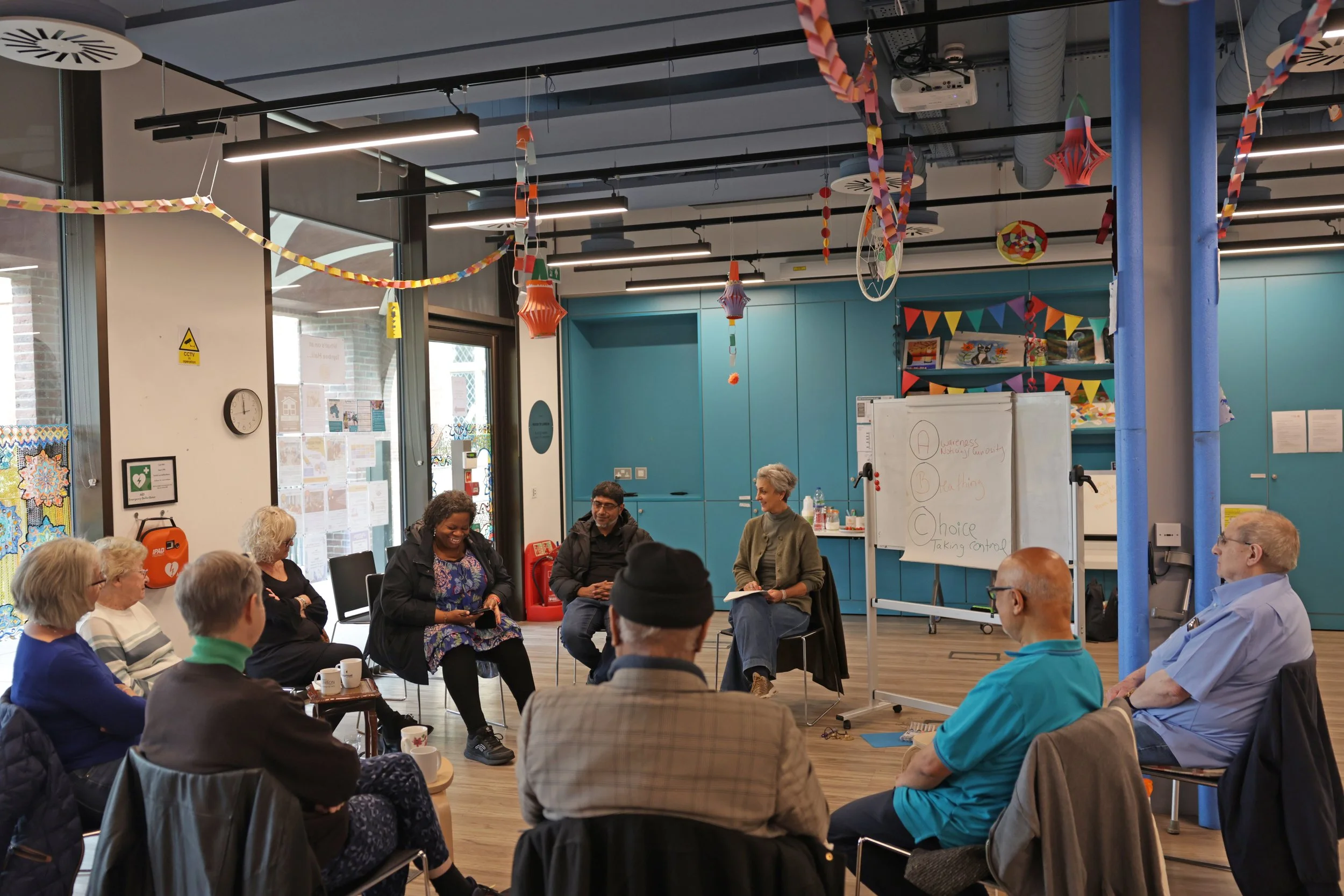
A run club, a faith group, a local gym, a neighbour knocking on your door, a village where everyone knows your family name, a weekly cup of tea, coffee or even matcha with familiar faces.
Community can look different to everyone, but most of us know what it feels like when we have it and when we lose it.
This May, we welcomed Mental Health Awareness Week. This year's theme is community.
For many people around the world, community is in their everyday life. It can mean living close to extended family, seeing neighbours daily, sharing food, praying together, speaking your first language freely or growing up surrounded by people who understand your culture without explanation.
In many cultures, life is lived collectively rather than alone. Children are raised together. Grief and celebrations are shared.
But for many migrants, refugees and asylum seekers arriving in the UK, that sense of community is suddenly be taken away.
People may leave behind family, friendships, language, familiarity and identity all at once. Some arrive carrying trauma, uncertainty or loss. Others find themselves isolated in a new city where they do not yet know anyone, cannot easily communicate or no longer feel fully understood.
Even simple things can become difficult. Asking for help. Making conversation. Navigating systems. Feeling confident enough to leave the house.
Over time, this isolation can deeply affect mental health. Loneliness, anxiety, low mood and a loss of confidence often grow quietly. When people lose connection, they can begin to lose parts of themselves too.
That is why community matters so much.
Mental wellbeing does not exist in isolation from the world around us. Human beings need belonging. We need spaces where we feel safe, recognised and included. At Globe Community Project, we see every day how powerful a community can be in rebuilding wellbeing.
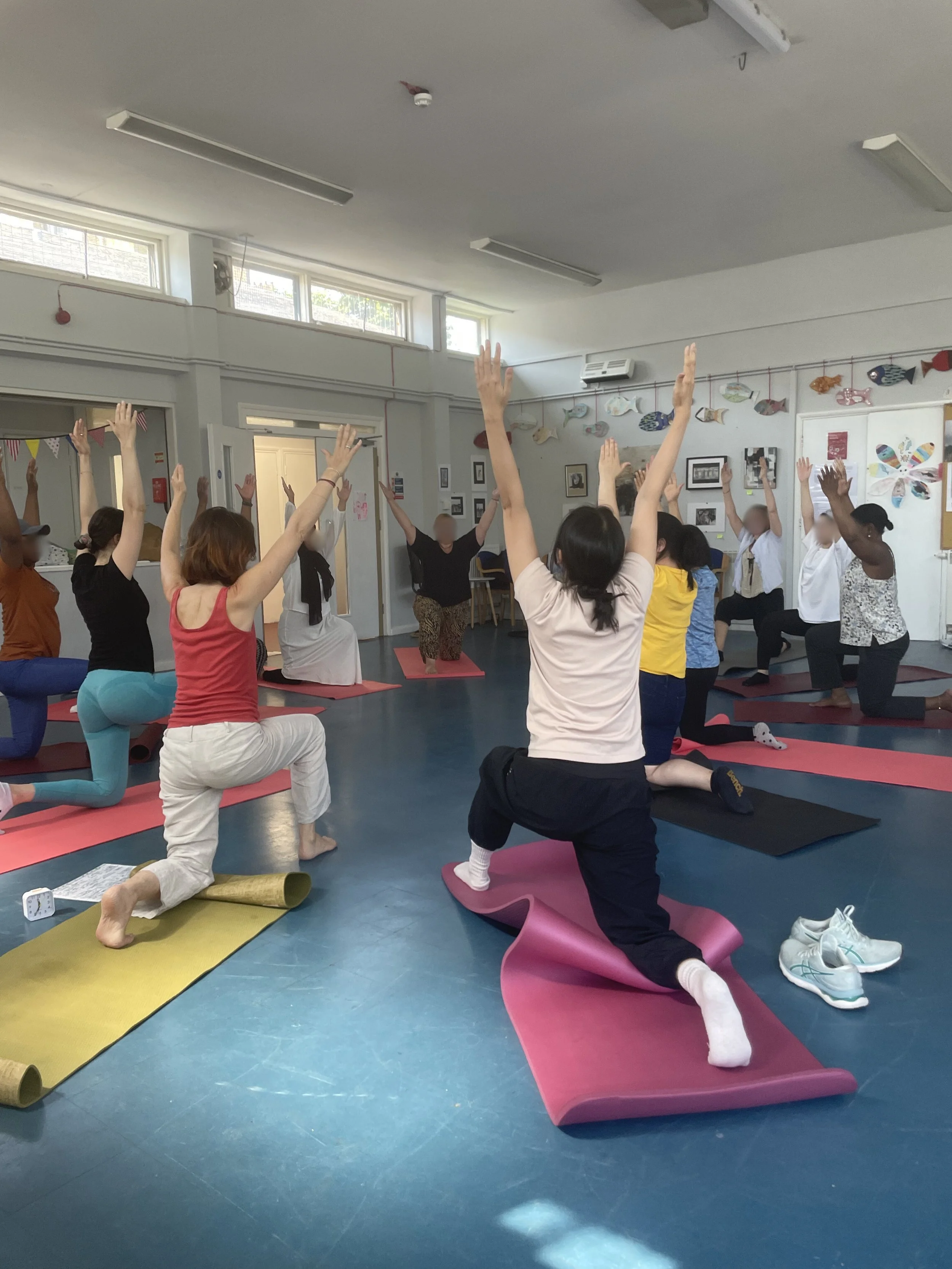
Through programmes like Touching Safe Ground and Well Old, people are able to connect through conversation, creativity, shared experiences and simple acts of care. Friendships begin to form. Confidence slowly returns. People begin to feel less alone.
Prima shares: “I like coming to the course because I feel lonely at home. I like us learning from each other, with different ideas. Thinking positive, not negative, it’s good for mental health.”
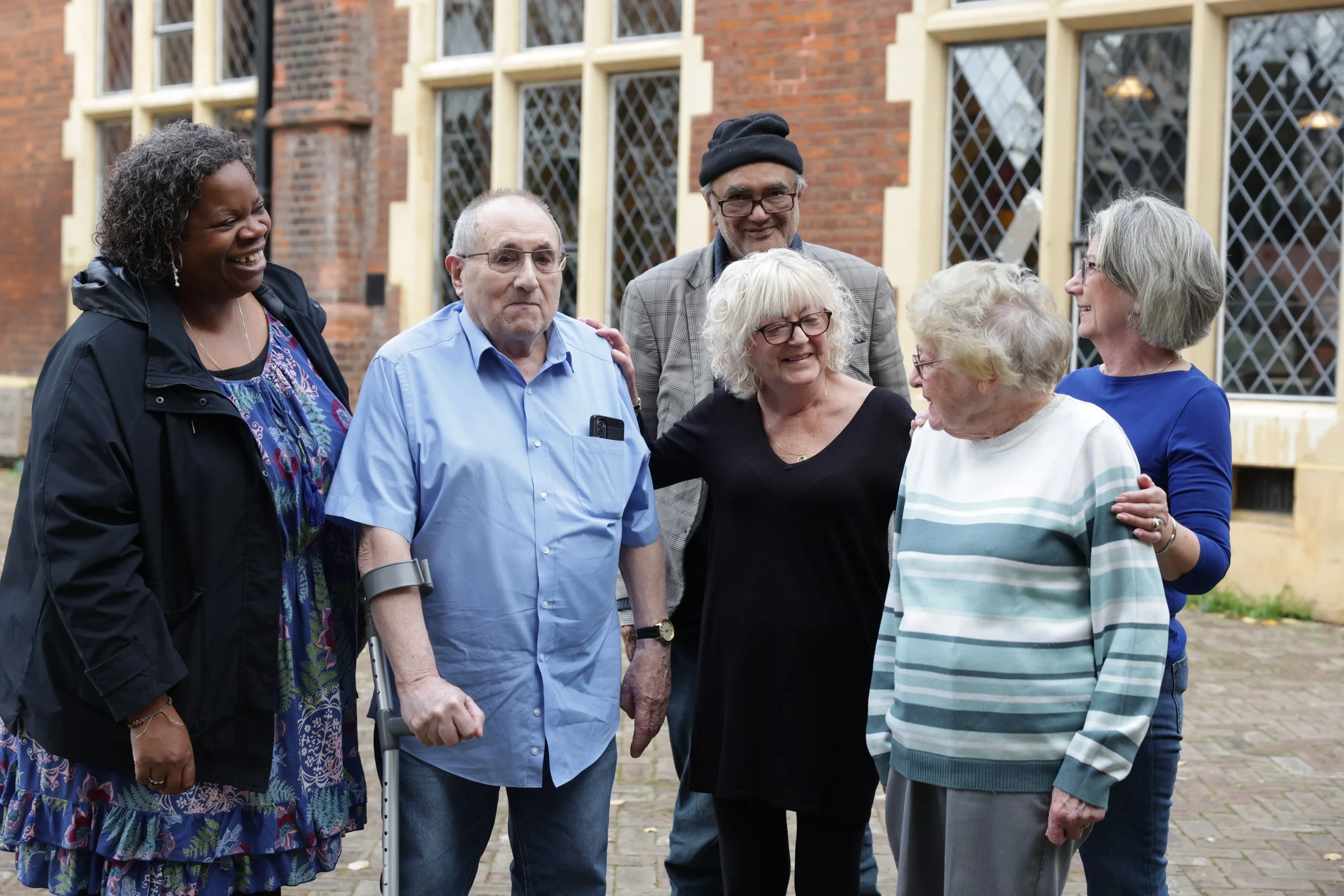
Sometimes a community starts with something very small. Someone remembering your name. A shared meal. A smile across the room. Being welcomed back.
Joseph shares"I used to feel very shy and I never wanted to speak in a group but now I feel good about speaking here. I feel confident about myself."
Mental Health Awareness Week reminds us that supporting mental health is not only about services or interventions. It is also about creating communities where people feel they belong.
Because often, healing begins in connection with others.